Loading...
Serving Livermore, CA and surrounding areas. (925) 409-3183
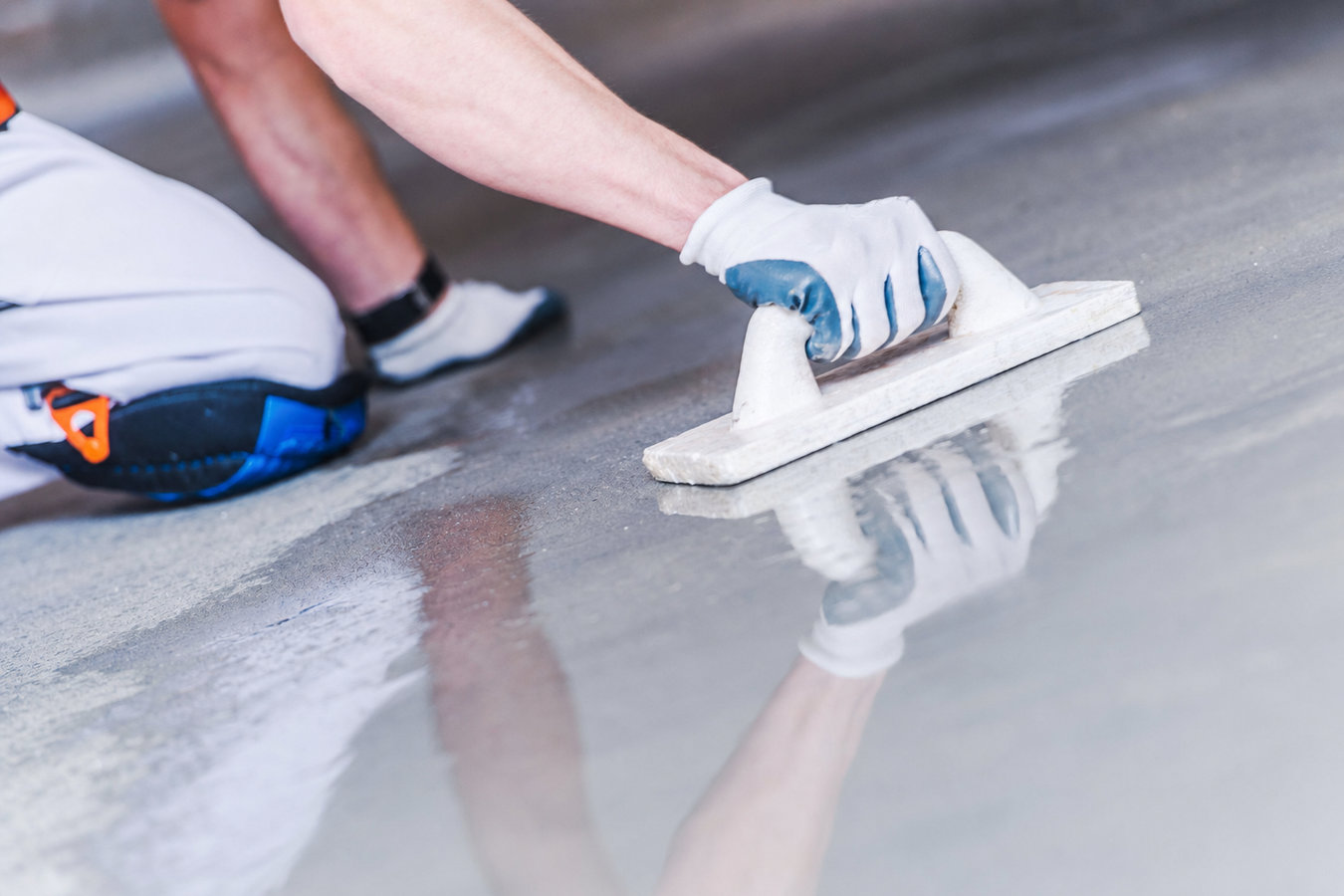
Uneven floors, stubborn stains, and cracked slabs do not have to mean tear-out. We level and resurface Livermore concrete so your floor is ready for coatings, tile, or everyday life.
Self-leveling concrete in Livermore, CA is a pourable mixture that spreads across an existing floor, settles into a smooth flat surface on its own, and hardens into a solid base - most residential garage and interior floor jobs are completed in one day of application, with light foot traffic possible within 24 hours.
Livermore homeowners use self-leveling concrete for two common situations: fixing a floor that has developed low spots or uneven areas from the clay soil movement common in the Tri-Valley, and creating a smooth base before installing tile, hardwood, or luxury vinyl plank flooring. It is also used for decorative overlay applications where the goal is a fresh, finished surface without tearing out the existing slab. For surfaces that need more extensive repair beyond leveling, concrete resurfacing and overlays cover a broader range of wear, staining, and surface damage scenarios.
A spiderweb pattern of small cracks across your garage floor is a sign the surface concrete has aged and is starting to break down. In Livermore, this is especially common in homes built in the 1980s and 1990s, where the original slab has been through decades of hot summers and the clay soil movement that characterizes the Tri-Valley. A self-leveling overlay can cover and stabilize those surface cracks before they get worse.
If a ball or a piece of furniture drifts toward one corner on its own, or if you feel a noticeable low spot when you walk across the room, the slab has settled unevenly. This is a common result of the expansive clay soils under many Livermore homes, which shift with the wet and dry seasons. Self-leveling concrete is designed specifically to fix this - it fills the low spots and creates a flat surface without tearing out the whole floor.
Tile, luxury vinyl plank, and hardwood all require a very flat surface to install correctly. If the floor has dips or high spots, the new flooring will crack, squeak, or buckle over time. If a flooring contractor has told you the floor needs leveling first, that is a direct referral for self-leveling concrete. Getting this done before your flooring goes in protects your investment in the new floor.
Oil stains from cars, rust from metal shelving, or pitting from chemical exposure can make a concrete floor look worn out even when the slab underneath is structurally sound. If scrubbing has not made a dent, a decorative overlay can cover the damage entirely and give you a fresh, clean surface. This is a popular choice for Livermore garages that homeowners want to convert into usable workshop or living space.
Every job starts with an in-person assessment - we check for active cracks, test for moisture in the slab, and measure the area to understand what approach is needed. Moisture testing is a step that matters a lot in Livermore: if a slab is releasing water vapor, pouring self-leveling material over it without addressing the source will cause the new surface to delaminate. Once the floor passes assessment, we grind or shot-blast the surface to ensure the new material bonds, fill any structural cracks, and then pour or trowel the leveling or overlay material. For floors that need a finished decorative result - not just a flat base - we offer stained and polished overlay options as part of the same service. After the new surface cures, applying a sealer or topcoat is the final step for protection and durability. For surfaces that require complete removal of old coatings or adhesive before leveling can begin, our concrete resurfacing and overlay service handles that broader scope as a connected service.
We use California-compliant, low-emission products on all overlay and leveling work - a requirement under state air-quality rules that also benefits homeowners by reducing odor and off-gassing during application. The crew that does the assessment is the crew that does the work, which means the judgment calls made during prep are carried through to the final pour by the same people who evaluated the floor. We do not hand work off between subcontractors.
Suits floors with low spots, uneven sections, or slope issues that need to be brought to a flat plane before new flooring is installed.
Suits floors that are generally flat but have surface pitting, minor cracking, or staining that needs a thin fresh layer to correct.
Suits garage floors and open-plan spaces where homeowners want a polished, finished look rather than plain gray concrete.
Suits Livermore floors with active cracks from clay soil movement - uses a flexible membrane layer that allows minor slab movement without cracking the overlay.
Livermore sits on expansive clay soils that swell when wet and shrink when dry - a seasonal cycle that puts constant stress on concrete slabs. Over 30 or 40 years, this movement is one of the main reasons Livermore garage floors and interior slabs develop low spots, uneven areas, and surface cracking. Many of these homes were built during the Tri-Valley residential boom of the 1980s and 1990s, and the concrete from that era is now at the age where surface issues are common but the structural slab is often still sound. Homeowners throughout Dublin and San Ramon face the same clay soil conditions and ask the same questions about whether their floor needs leveling or full replacement - in most cases, leveling is the right answer.
Livermore's climate also shapes how and when self-leveling work gets scheduled. At temperatures above 95 degrees - common in Livermore from June through September - self-leveling material can skin over on the surface before it has fully spread and bonded underneath, leading to cracking. Experienced local crews schedule pours for early morning in summer months and use additives that slow the set time when needed. The American Concrete Institute publishes standards for concrete overlay installation that guide how experienced contractors handle temperature and moisture conditions - factors that matter more in a climate like Livermore's than in more temperate regions. California's strict air-quality rules also shape which products can be used - all materials we apply meet current Bay Area Air Quality Management District requirements.
Reach out by phone or contact form and we will respond within one business day. Tell us the size of the area, what is currently on the floor, and what you are planning to do with it afterward. We will schedule a free on-site assessment - quoting self-leveling work accurately requires seeing the floor in person, because the condition and flatness variation are what drive the scope.
We visit your home to check the floor for cracks, test for moisture, and measure the area. After that visit you receive a written estimate broken down by task - prep, materials, and labor - so you can see exactly what you are paying for. We will not give you a number over the phone without seeing the floor first.
Before the crew arrives, you need to clear the room completely - furniture, appliances, stored items, everything. The crew handles the floor prep: grinding to open the surface pores, filling cracks, and removing dust, grease, or old coatings. This preparation phase is what determines whether the new material bonds and lasts. Skipping or rushing it is the main reason overlay work fails.
Once the floor is prepped, the self-leveling material is mixed and poured - it spreads and settles on its own. The floor is firm enough to walk on within 24 hours, but plan to keep the space clear for 48 to 72 hours. Before we leave, we do a final walkthrough with you to confirm the surface is flat, smooth, and ready for the next step - whether that is installing flooring, applying a coating, or simply using the space.
Free on-site assessment. Written estimate before any work starts. No obligation, no sales pitch.
(925) 409-3183Moisture in the slab is one of the most common reasons overlay and self-leveling work fails - if water vapor is pushing up through the concrete, it will break the bond between the slab and the new material. We test for moisture before every job and address any moisture issues before pouring. Skipping this step is a shortcut that produces a floor that looks fine for a few months and then starts to peel.
Livermore clay soils cause slabs to shift seasonally, and an overlay applied directly over a moving crack will reflect that crack within a year. We assess every crack for active movement before we start, and we use crack-bridging membrane layers when the floor needs it. That is not standard practice for every contractor - and it is the reason our overlay work holds up through Livermore winters and summers.
California air-quality rules require contractors to use low-VOC coatings and sealers - all materials we apply meet current Bay Area Air Quality Management District requirements. That is good news for your family because the products produce less odor and are safer to have in an enclosed space like a garage. A contractor using non-compliant products puts you at risk if you ever sell your home and the issue surfaces during inspection.
We do not start work until you have reviewed and approved a written estimate that breaks down what is being done and what it costs. If something unexpected comes up during prep - a deeper moisture issue, a crack that is more active than it appeared - we stop and talk to you before proceeding. The final invoice matches the approved estimate unless you have agreed to a change in scope.
Moisture testing, active crack assessment, compliant materials, and written estimates are not extras - they are the baseline for work that actually lasts in the Tri-Valley. That is the standard we apply on every Livermore project.
Restore and protect your pool surround with slip-resistant coatings and overlays built for Livermore's outdoor conditions.
Learn MoreFor driveways, patios, and garage floors that need a broader surface refresh rather than just leveling or crack repair.
Learn MoreSummer scheduling fills fast in the Tri-Valley - reach out now and we will lock in your date before the heat makes the work harder to schedule.