Loading...
Serving Livermore, CA and surrounding areas. (925) 409-3183
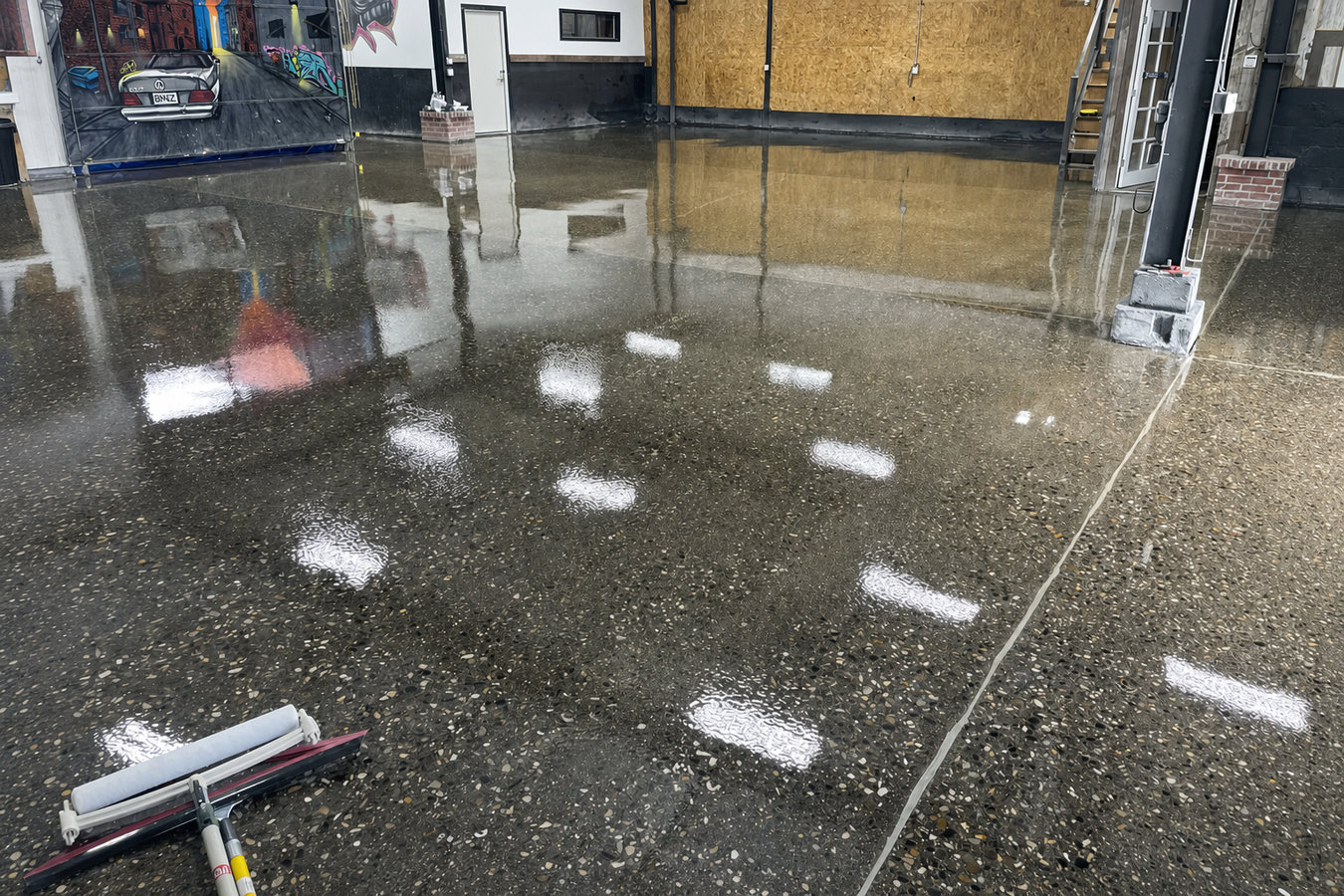
Worn driveways, stained patios, and tired garage floors do not have to mean full replacement. We resurface Livermore concrete so it looks and performs like new.
Concrete resurfacing in Livermore, CA means applying a fresh bonded layer over your existing slab instead of demolishing and replacing it - most residential driveways and patios take one to two days of active work, followed by a curing period before normal use resumes.
Many Livermore homeowners assume a worn or stained concrete surface means full replacement. In most cases it does not. If the slab underneath is structurally sound - not crumbling, not shifting - an overlay can give you a surface that looks brand new at a fraction of the cost and disruption. A large portion of Livermore homes were built in the 1970s and 1980s, and concrete from that era is often right in the window where the surface is tired but the foundation beneath it has years of life left. After resurfacing, concrete sealing is an important follow-up step that protects the new overlay from water, oil, and everyday wear.
If your driveway or patio looks sandpapered away - rough to the touch, with small pits or a faded, chalky appearance - the surface layer has weathered past its prime. This kind of wear is common on Livermore slabs from the 1970s and 1980s that have been through decades of summer heat and winter rain. The concrete underneath is often still solid; it is just the surface that needs refreshing.
A spiderweb pattern of small, shallow cracks - or short cracks that do not go all the way through - is a sign of surface aging rather than structural failure. In Livermore, these patterns often develop because of the clay soil underneath expanding and contracting with seasonal moisture changes. If you cannot fit a coin into the crack, it is likely a surface issue that resurfacing can address.
Oil stains from vehicles, rust marks from metal furniture, or deep discoloration from years of use can make concrete look permanently dirty. Once stains soak past the surface layer, cleaning products cannot reach them. Resurfacing covers the stained layer entirely and gives you a fresh, clean surface - often with a finish that is more stain-resistant than the original concrete.
If chunks of the surface layer are lifting or flaking off your garage floor - especially near the door where temperature swings are greatest - that is delamination, and it tends to get worse over time if left alone. Resurfacing removes the loose material and applies a new bonded layer that will not continue to peel. This is one of the more common calls we get from Livermore homeowners with older attached garages.
Every resurfacing job starts with an honest assessment of the existing concrete. We check for cracks, test the surface for delamination, and determine whether the slab is a good candidate for an overlay or whether something deeper needs to be addressed first. Once the slab passes inspection, we prepare the surface through grinding or etching, repair cracks and damaged areas, then apply the overlay system suited to the specific use - whether that is a smooth, flat finish for a garage, a textured broom finish for a driveway, or a decorative stamped pattern for a patio. For floors that need deeper correction before an overlay can go down, our self-leveling concrete and overlay service addresses uneven or sunken areas that a standard resurfacing coat cannot fix on its own.
We also handle decorative overlay options for homeowners who want more than a plain gray surface. Tinted, stamped, and patterned overlays are popular for patios and pool decks where the finish is part of the design - not just a repair. After any overlay is applied, sealing is a critical step for long-term protection, and we include it as part of every completed resurfacing job. All work is done by our own crew - not subcontracted - so we control quality from surface prep through final walkthrough.
Suits garage floors, patios, and interior slabs that need a clean, flat finish without decorative patterning.
Suits driveways and walkways where slip resistance matters alongside a refreshed appearance.
Suits patios, pool surrounds, and entryways where homeowners want a stone, tile, or patterned look without full demolition.
Suits any surface where plain gray is not the goal - color can be integral to the mix or broadcast on top for varied effects.
Livermore has a large share of homes built between the 1970s and 1990s - and concrete from that era is now right in the window where the surface is worn and tired but the slab itself still has years of structural life left. That is exactly the scenario where resurfacing delivers the best value over full replacement. Livermore also sits on clay-heavy soil that swells with winter rain and shrinks through the long, dry summer - a seasonal cycle that stresses concrete surfaces and accelerates cracking. Before any overlay goes down, we check whether existing cracks are stable or still moving, because an overlay over an active crack will not hold. We work with homeowners throughout Dublin and Pleasanton who face the same clay soil conditions and 1980s-era concrete challenges.
Timing also matters in Livermore's climate. Overlay material needs moderate temperatures to cure correctly - Livermore summers regularly push past 95 degrees, which can cause freshly applied overlays to dry too fast before they fully bond. Spring and fall are the best scheduling windows. Winter work is possible for indoor surfaces, but rainfall between November and March means outdoor resurfacing needs a dry weather window of at least 48 hours before and after application. The Portland Cement Association publishes guidance on overlay installation best practices, including temperature and humidity requirements that experienced local crews apply on every job.
Call or submit a contact form and we will get back to you within one business day. Tell us what surface you want resurfaced and roughly what condition it is in - we will schedule a free on-site estimate rather than quoting over the phone, because the concrete has to be seen in person to price accurately.
During the estimate visit - usually 20 to 30 minutes - we look closely at the existing concrete, check for cracks or delamination, and ask about your finish goals. You will receive a written estimate that spells out scope, finish, and cost before any work is scheduled. No pressure, no obligation.
On the work day, the crew grinds or etches the surface, fills cracks, and prepares the slab before touching the overlay material. This prep phase is the most important part of the whole job. The overlay is then applied in sections and finished to the texture or pattern you selected. Most residential jobs complete in one day of application.
The new surface needs 24 hours off-limits for foot traffic, and 72 or more hours before vehicles return to a driveway. Once cured, we apply a sealer to protect the finish. Before we leave, walk the surface with us, ask any questions, and confirm the resealing schedule that will keep it performing long-term.
Free on-site estimate. Written quote before any work starts. No obligation.
(925) 409-3183We will not sell you a resurfacing job if the slab is not a good candidate. If we find during the estimate that the concrete has moved, is crumbling, or has moisture issues that would cause an overlay to fail, we tell you - and we explain why. That kind of honesty protects your money and keeps us from doing work that will not last.
We hold a current California Contractors State License Board license - you can verify it yourself on the CSLB website. Every job we do carries liability insurance that protects your property. The California Contractors State License Board is the right place to verify any contractor before you hire. Working with an unlicensed contractor in California puts you at legal and financial risk if anything goes wrong.
We have worked on Livermore and Tri-Valley slabs long enough to understand how the local clay soil affects concrete over time. We check cracks for active movement before every overlay job, because applying an overlay over a moving crack produces the same crack again within a year. That soil-aware inspection step is something not every contractor takes the time to do.
We handle surface preparation, crack repair, overlay application, and final sealing as one complete job - not a series of hand-offs between different crews. You deal with one point of contact from estimate through final walkthrough, which means accountability stays clear from start to finish.
When you combine honest pre-work assessment with CSLB licensing, local soil knowledge, and full-service delivery, you get a resurfacing job built to last - not just look good on day one. That is the standard we hold ourselves to on every Livermore project.
For floors with uneven spots, sunken areas, or dips that need leveling before a finish overlay or new flooring can go down.
Learn MoreProtect any resurfaced or new concrete surface from water, oil, and UV damage with a penetrating or topical sealer.
Learn MoreSpring and fall book fast in the Tri-Valley - reach out now to lock in your preferred dates before the best weather windows fill up.