
Loading...
Serving Livermore, CA and surrounding areas. (925) 409-3183
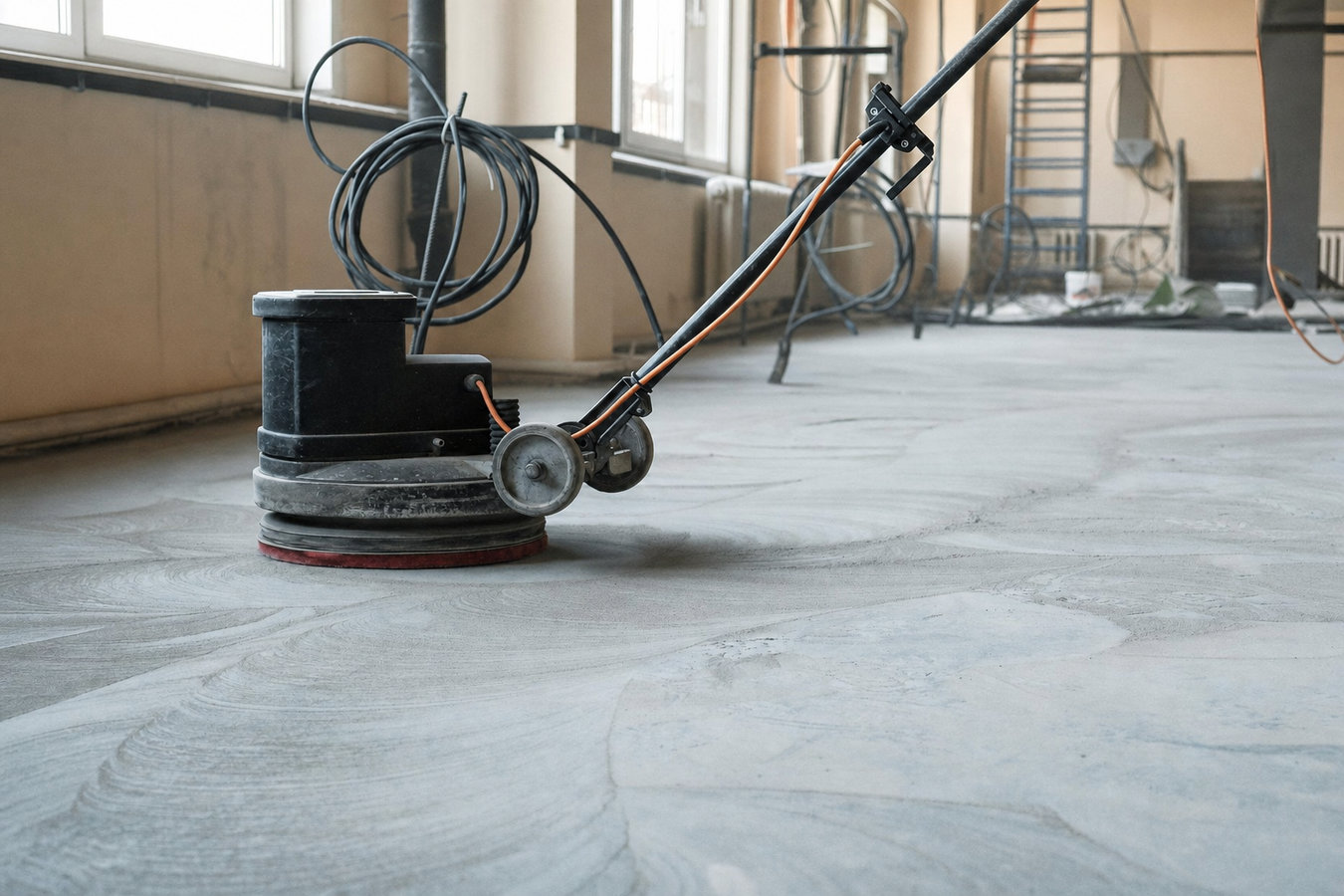
When patching no longer makes sense, we break out and haul away the old slab - leaving a clean, level subgrade ready for whatever comes next. Full demolition and debris removal, no separate hauling company needed.
Concrete floor stripping and removal in Livermore, CA is the process of breaking up an existing concrete slab - along with any coatings, adhesives, or old flooring materials bonded to it - and hauling all of it away, leaving a clean subgrade ready for a new pour or a different flooring system, and most standard residential garage or basement jobs are completed in one to two days.
Livermore homeowners call for this service most often when a slab has cracked and shifted to the point where patching is no longer practical, when they are converting a garage or basement and the existing floor height does not work for the new plan, or when a coated floor has failed so thoroughly that the only way to start fresh is to take everything out. In cases where the surface layer or coating needs to come off but the structural slab underneath is still sound, our concrete grinding and surface preparation service is often the right first step rather than full removal - we can help you figure out which approach fits your situation during the estimate visit.
If you have patched cracks in your garage or patio floor more than once and they keep reappearing - especially if they are getting wider or the edges are uneven - the slab itself has likely failed. In Livermore, this pattern is often caused by the clay soil underneath shifting with the seasons. Patching alone will not fix a slab that is moving. Full removal and a fresh pour on properly prepared ground is usually the more cost-effective path at that point.
Walk across your concrete floor and notice whether it feels uneven underfoot, or whether you can see a visible rise or dip in one section. Heaving and settling like this - common in Livermore homes built on expansive clay - means the slab is no longer sitting flat on stable ground. A floor uneven enough to trip on or cause drainage problems has usually reached the end of its useful life.
If you are turning a garage into living space, finishing a basement, or adding a flooring type that requires a different base height, the existing slab may need to come out entirely. This is especially common in Livermore's older ranch-style homes where garage conversions are popular. A contractor can tell you quickly whether the existing slab can be worked with or needs to go.
If your garage floor has an epoxy or paint coating lifting in sheets or flaking off in large pieces, the bond between the coating and concrete has broken down completely. Recoating over a failed surface will not hold - the old coating and often the top layer of concrete need to come off first. Similarly, if the slab feels damp or shows white powdery deposits, moisture is migrating up through the concrete and the slab itself may be deteriorating.
Every removal job starts with an in-person walk-through before we quote. We look at the slab condition, check for coatings or adhesives, assess how debris will come out of the space, and measure the area. We ask about your home's age - if it was built before 1980, we discuss whether any materials should be tested before demolition begins, because some adhesives from that era require special handling under California law. Your written quote breaks out labor, equipment, and hauling as separate line items. We also assess whether the work requires a permit under Livermore's building rules and handle that process with you before starting. For situations where only the surface layer or old coating needs to come off rather than the full slab, our concrete grinding and surface preparation service handles that more targeted scope. Once the slab is removed and the subgrade is clear, we can connect you with our epoxy floor coating service or any other finish if you are ready to move straight into the next phase.
We use dust-containment methods and wet-cutting techniques where appropriate to keep the work zone manageable. The OSHA silica dust standard sets requirements for how concrete demolition crews must control airborne dust, and following those standards protects both workers and the people who live in the home. Debris is hauled to a licensed facility - we work with local concrete recycling yards in the Tri-Valley where the material can be crushed into road base rather than sent to a landfill, which can also reduce hauling costs.
Suits garage floors, basement slabs, and interior flatwork where the complete concrete needs to come out before a new floor system goes in.
Suits driveways, patios, walkways, and pool deck areas where the old concrete has cracked, shifted, or settled beyond repair.
Suits floors with failed epoxy, paint coatings, tile adhesive, or old carpet glue that prevent a new coating from bonding to the concrete underneath.
Suits projects where only one section of a floor has failed - removing just the damaged area and feathering in preparation for a patch or new pour.
A significant share of Livermore's single-family homes were built between the 1970s and 1990s, which means many concrete floors in garages, patios, and basements are now 30 to 50 years old. Slabs of that age are more likely to have old adhesive residues, paint coatings, or embedded materials that complicate removal - and they have been through enough seasonal clay soil movement to develop real structural fatigue. The expansive clay soils under most of the Livermore Valley swell in wet winters and shrink in dry summers, and that repeated movement over decades is one of the most common reasons slabs crack, heave, or settle unevenly in this area. Homeowners across Pleasanton and Tracy share these same soil conditions and housing stock characteristics, and we bring the same local knowledge to jobs throughout those areas.
Livermore's summer heat also shapes how we schedule removal work. Temperatures above 95 degrees are common from June through September, and concrete demolition is physically demanding. Most experienced local crews start early - often before 7 a.m. - to finish the hardest breaking and hauling work before peak heat. We contain all wet waste and concrete slurry on-site, keeping it out of storm drains in compliance with Alameda County Clean Water Program requirements - which also protects you from any shared liability for stormwater violations.
When you reach out, we ask about the area size, what is on the floor now, and whether you know how thick the slab is. We then schedule an in-person visit to see the space before giving you a price - this visit takes 20 to 30 minutes and costs nothing. We also ask about your home's age so we can flag any material testing needs upfront. We reply to all inquiries within 1 business day.
After the walk-through, you receive a written quote that separates labor, equipment, and hauling. If the project requires a permit, we confirm that with you before work starts. If your home was built before 1980, this is when we discuss whether any materials should be tested before demolition begins - a small step that protects everyone involved.
Move vehicles, storage, shelving, and anything else out of the work zone. Make sure there is a clear path from the work area to the street so the crew can move debris out efficiently. We will tell you exactly how much clearance we need - plan to keep pets and children away from the area on demolition day.
The crew arrives early and breaks up the slab using jackhammers or a skid-steer, depending on job size. Broken concrete is loaded and hauled as the work progresses. After removal, we clean up the subgrade and walk you through what we observed underneath - including whether the soil looks stable and level for whatever comes next. You will not be left with a pile of rubble or an unanswered question about what is below your slab.
Written quote with itemized breakdown - no lump sums, no surprises. We respond within 1 business day.
(925) 409-3183When the concrete comes out, we look at the subgrade and report what we find - before we pack up. In Livermore, that matters because clay soil that has been moving under a slab for 30 years sometimes needs attention before a new floor goes in. You will know exactly what you are working with, so the next contractor does not walk in cold.
We know when a permit is required, how to pull it correctly, and how to keep your project moving without delays. Livermore's Building Division oversees permits for concrete work that affects structures, drainage, or impervious surface coverage. We handle that conversation with you upfront so it does not become a surprise mid-project. Verify any California contractor license at the California Contractors State License Board.
Before we touch your floor, you have a written breakdown showing labor, equipment, and hauling as separate line items. If we find something unexpected during the walk-through - an unusually thick slab, old adhesive that needs special handling - we tell you before we start. What you agreed to is what you pay.
We handle everything from demolition through hauling. We work with local concrete recycling facilities in the Tri-Valley to divert material from the landfill where possible - which can also reduce your hauling cost. Concrete slurry and washout water are contained on-site, not hosed into the street, keeping you clear of any stormwater liability.
Concrete removal is not glamorous work, but it matters enormously as a foundation for everything that comes after. Getting it done right - with honest communication, proper disposal, and a clear subgrade report - sets up the next phase of your project for success.
After the old slab is out and a new one is poured, epoxy floor coatings are the most popular finish for Livermore garages and commercial spaces.
Learn MoreWhen only the surface layer or old coating needs to come off rather than the full slab, grinding and surface prep is the more targeted approach.
Learn MoreCall or send a message now - we schedule a free walk-through within days, give you a written quote with no obligation, and get your project moving before the summer rush.