
Loading...
Serving Livermore, CA and surrounding areas. (925) 409-3183
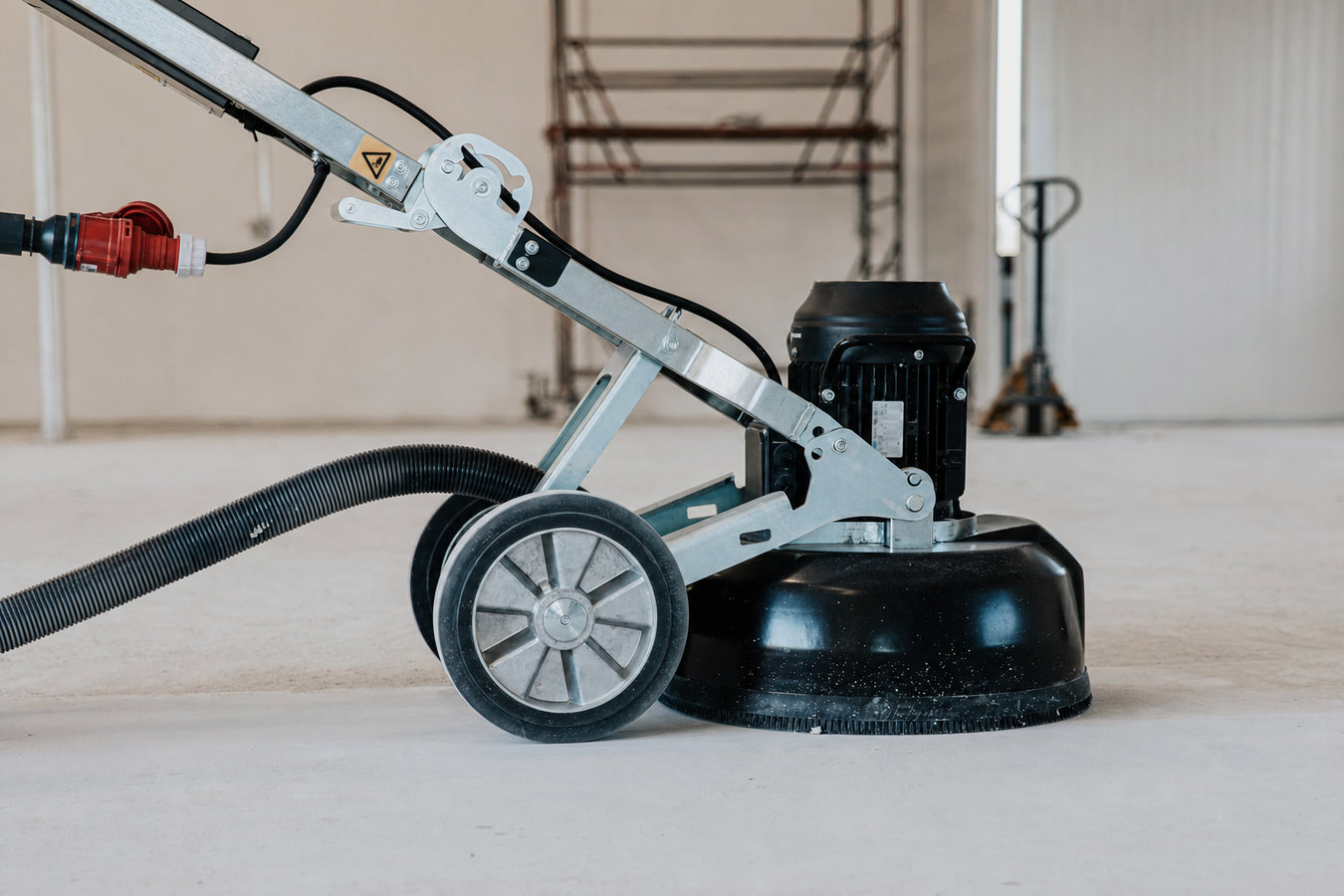
Peeling coatings start with skipped prep. We grind Livermore slabs the right way so your new coating bonds, holds, and stays put through years of use.
Concrete grinding in Livermore, CA uses diamond-tipped machines to shave off the top layer of a concrete surface, removing contamination, leveling uneven spots, and opening the pores of the slab so coatings bond properly - most residential garage jobs take one full day, with larger or more damaged surfaces requiring an additional day.
If you have ever had a garage floor coating peel within a year or two, surface preparation is almost certainly where things went wrong. The concrete has to be genuinely clean and profiled - not just swept - before any coating will stick for the long term. Many Livermore homeowners find that proper grinding is the step their first contractor skipped. For the coating that goes on after grinding, concrete sealing is a common next step that protects the prepared surface from water, oil, and everyday wear.
If you had an epoxy or paint coating applied to your garage floor and it is now lifting in patches, the most common cause is that the surface was not properly prepared before the coating went down. Grinding removes the layer of concrete that coatings fail to bond to, so re-coating without grinding first will produce the same peeling result. This is the most common complaint homeowners have after a rushed or cheap floor job.
Livermore sits on clay-rich soil that swells with winter rains and shrinks in summer heat, and the slab moves with it. Cracks that are hairline-thin may just need sealing, but cracks you can fit a coin into - or where one side sits higher than the other - need professional attention before any coating or overlay is applied. Coating over active cracks just pushes the problem forward.
Oil from cars, lawn equipment, or stored chemicals soaks into concrete over time and creates a barrier that prevents coatings from bonding. If you have tried cleaning the spots with degreasers and they keep reappearing or the surface still feels slick, grinding is the only reliable way to remove that contamination from the surface layer. This is especially common in Livermore homes with attached garages that have seen decades of use.
Livermore's hot summers and occasional winter freezes can cause the top layer of concrete to spall - meaning the surface breaks into small flakes or pits. A pitted surface is harder to clean, traps moisture, and looks worn even when the slab itself is structurally sound. Grinding removes the damaged top layer and leaves a cleaner, more uniform surface that is ready for sealing or coating.
We handle the full range of concrete surface preparation - from single-pass grinding on a clean garage slab to multi-pass removal of old paint, adhesive, and thick epoxy buildups on heavily used commercial floors. Every job starts with an in-person assessment of the slab because the condition of the concrete is what drives how much work is actually needed. After grinding, we fill cracks and divots with a patching compound and inspect the surface before recommending any next step. For a high-shine outcome after prep, we also offer concrete sealing to protect and finish the prepared surface.
Surface preparation is also the foundation for every decorative or protective finish we install - including polished concrete, epoxy coatings, and overlays. We use dust-collection equipment on all grinding jobs, which captures the fine silica dust at the machine rather than letting it settle through your home. Homeowners dealing with heavily contaminated floors often need removal work before grinding can begin - our concrete floor stripping and removal service handles old coatings, tile adhesive, and paint before the grinder touches the slab.
Suits garage floors, patios, and interior slabs that need profiling for a new coating or sealer on generally clean concrete.
Suits slabs with old epoxy, paint, tile adhesive, or other residues that must be fully removed before a new coating will bond.
Suits surfaces with ridges, trowel marks, or minor elevation differences that would cause a new floor covering to rock or crack.
Suits any slab with cracks, divots, or spalled areas that need to be filled flush before grinding or coating proceeds.
Livermore has a significant number of homes built from the 1960s through the 1980s - and slabs from that era often carry decades of history: oil from car storage, adhesive from removed flooring, and the effects of clay soil movement underneath. That clay-rich soil swells when the winter rains come and shrinks again through the long, dry summer, putting the slab under seasonal stress year after year. Homeowners often notice this as gradual cracking, and it is one of the reasons a proper pre-coating assessment - including checking whether cracks are stable or still moving - matters more in the Tri-Valley than in areas with more stable soils. We serve homeowners throughout Pleasanton and Dublin who face the same soil conditions and housing stock challenges.
Livermore summers also affect how work gets scheduled. Temperatures regularly climb above 95 degrees, and some coatings applied right after grinding do not perform well in extreme heat - they can cure too fast and fail to bond correctly. Spring and fall are the best windows for garage floor and patio prep work in the Tri-Valley. The OSHA silica standard requires that contractors control crystalline silica dust during concrete grinding - we use vacuum-equipped machines on every job, which protects your family and keeps the work area clean. Livermore also sits in a valley where spring and fall winds already carry agricultural particulates from surrounding vineyards, making dust control especially important during outdoor prep work.
We reply within one business day. You tell us the size of the area, what is currently on the floor, and what you plan to do with it afterward. Most estimates require an in-person visit so we can see the slab condition before giving you a firm price.
We inspect the concrete closely - checking for cracks, moisture, old coatings, and whether the surface is level. In Livermore, we also look for signs of soil movement underneath, since the clay soils here affect what preparation is actually needed. You get a written quote that accounts for your slab's real condition.
The crew grinds the surface in overlapping passes using vacuum-equipped machines that capture dust at the source. Depending on the area size and concrete condition, this takes a few hours to a full day. After grinding, cracks and divots are filled with patching material and allowed to cure.
We inspect the finished surface to confirm it is uniformly smooth and ready for whatever comes next - a coating, a sealer, or new flooring. Your contractor will tell you exactly how long to wait before walking on the surface, applying a coating, or moving items back in.
Free on-site estimate. Written quote. No surprises on the final bill.
(925) 409-3183We visit your slab in person before giving you a number. That means the estimate accounts for your actual slab condition - old adhesive, oil contamination, soil movement effects - rather than a flat rate that balloons once work starts. You know what you are paying for before the crew arrives.
Concrete grinding generates fine silica dust, and in Livermore, where spring winds already carry agricultural particulates from the surrounding vineyards, letting that dust spread through your home is not acceptable. We run vacuum-equipped machines on every job, and we seal off the work area from adjoining spaces. Cleanup afterward is minimal.
We work on Livermore slabs regularly and understand what the Tri-Valley clay soils and older housing stock tend to produce - seasonal cracking, adhesive buildup from decades-old flooring, and soil movement patterns that affect how a slab performs under a new coating. That local context shapes how we approach every assessment.
You can verify a contractor's California license status before signing anything - the California Contractors State License Board website takes about two minutes to use. We carry the required coverage and operate within Livermore's permit requirements. A contractor who cannot answer basic licensing questions is a contractor worth walking away from.
Surface preparation is not the glamorous part of a floor project - but it is the part that determines whether everything else holds. We take it seriously, and Livermore homeowners who have had a coating fail on them once already understand exactly why that matters.
For information on concrete work standards and surface preparation best practices, the American Concrete Institute and the Concrete Polishing Association of America publish guidelines that professional contractors follow.
Protect your freshly prepared slab with a sealer that keeps water, oil, and stains from soaking back in.
Learn MoreRemove old coatings, tile adhesive, or paint from your slab before grinding begins for a cleaner starting point.
Learn MoreSpring and fall booking slots fill fast in the Tri-Valley - reach out now to lock in your preferred date before the season rush.